

Reading experts lead the way at first pollinator conference
12 November 2026
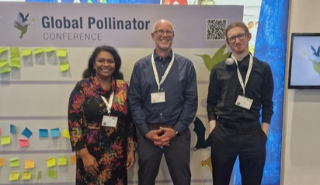 University of Reading experts have helped lead global discussions on how to protect bees and other pollinators at the first Global Pollinator Conference in Rome.
Professor Simon Potts, Professor Deepa Senapathi and Dr Tom Breeze were among international experts brought together for the two-day conference, organised by the UN Food and Agriculture Organization (FAO) on 5-6 November.
The main aim of the conference was to highlight the values of pollinators to food security, nutrition, livelihoods and ecosystem resilience and that a lack of action would have a huge cost in the future. One of the key aims of the conference was to outline the need for a Global Pollinator Platform that will help bring together existing research and identify key knowledge gaps.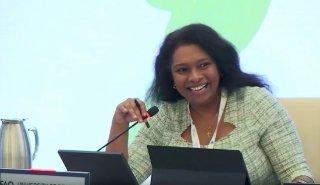
Professor Deepa Senapathi, Associate Pro Vice Chancellor for Research (Environment) at the University of Reading, said: “Pollinators are vital for our food, our natural environment and livelihoods of millions of people. This first global conference was an important opportunity to bring people together from around the world and focus on practical action.
“We know a great deal about the pressures facing pollinators, but the challenge now is making sure we can take a more solutions-driven approach to enable both pollinators and people to thrive.”
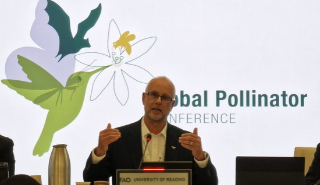 Professor Simon Potts delivered a keynote address on “Why Pollinators Matter to People and Nature”. The discussion that followed emphasised how bees, butterflies, birds and other pollinators support food security, livelihoods and nature, and how better evidence and coordinated action can help protect them.
Professor Deepa Senapathi moderated a session on closing the gap between science and action. Experts discussed how research and new ideas can be turned into practical measures and policies that better protect pollinators.
Professor Simon Potts was the co-chair and Dr Tom Breeze a lead coordinating author of the landmark UN IPBES global assessment of pollinators, pollination and food security which set the agenda for national and global strategies to protect pollinators.
The Reading team also authored a key report on ‘Emerging Threats and Opportunities for Conservation of Global Pollinators’, published on World Bee Day in May 2025. The report identified the top 12 emerging threats to pollinators over the next 5-15 years, including war and conflict, microplastics, light pollution and pesticide cocktails, and sets out 12 opportunities to protect them and reverse their decline.
Loading additional items please wait....
mask